

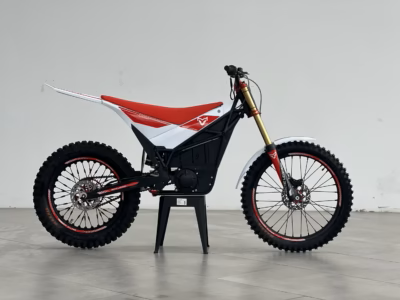
A trail can change character within a few minutes. A firm dirt path may lead into loose gravel, a rocky climb, wet soil, or a muddy section where traction becomes difficult. For off-road riders, this is why tires deserve more attention than simply choosing a set with an aggressive-looking tread. The right tires can influence steering, braking, acceleration, and confidence across changing surfaces.
For riders using an Electric dirt bike for recreational trail riding, tire selection should be based primarily on where and how the motorcycle will be ridden. Understanding the relationship between tread design, terrain, and riding technique can help create a more predictable setup.
Start With the Terrain You Ride Most
There is no single tire that performs perfectly on every trail. Hard-packed dirt, loose gravel, mud, sand, and rocky ground place different demands on the tire.
If most rides take place on firm, dry trails, a versatile knobby tire can provide a useful balance between grip and predictable handling. Riders who frequently encounter deep mud may need a more open tread pattern that can clear mud as the wheel rotates. Sandy terrain presents another challenge because the surface moves beneath the motorcycle and requires a tire designed to maintain usable flotation and forward traction.
The best approach is to identify the terrain that makes up most of your regular riding rather than choosing equipment based on occasional conditions.
Understanding Tread Patterns
The tread is the part of the tire that interacts directly with the trail. Off-road tires commonly use raised knobs that bite into dirt and provide traction when the surface is loose.
The spacing between these knobs matters. Closely positioned knobs can work well on firmer surfaces, while wider spacing can help prevent soft mud from becoming packed into the tread. The height and shape of the knobs also affect how the tire behaves when accelerating, braking, and cornering.
An extremely aggressive tread may provide excellent bite in certain conditions but can feel less predictable on hard surfaces. For riders who regularly encounter mixed terrain, a balanced design may be more practical.
Choosing Front and Rear Tires
The front and rear tires do not perform the same job. The front tire has a major influence on steering, braking, and the rider’s ability to maintain a chosen line. The rear tire must transfer motor power to the ground while maintaining traction during climbs and acceleration.
This difference is especially noticeable on an electric motorcycle because the motor can deliver strong torque without the same gear changes associated with a conventional petrol engine. If the rear tire cannot find sufficient grip, that available power may simply result in wheel spin.
A properly matched front and rear setup can therefore make the motorcycle feel more balanced and easier to control.
Tire Pressure Matters Too
Even a high-quality off-road tire can perform poorly if its pressure is unsuitable for the terrain. Tire pressure influences the size and shape of the contact patch, as well as how the tire reacts to rocks, roots, and other obstacles.
Lower pressure can sometimes improve traction on appropriate off-road surfaces because the tire can conform more closely to uneven ground. However, running pressure that is too low can increase the risk of rim damage, tire instability, or other problems.
Riders should follow the tire and motorcycle manufacturer’s recommendations and make adjustments only within appropriate limits for the conditions.
Inspect Tires Before Every Ride
Trail riding exposes tires to sharp rocks, branches, roots, and other obstacles. A quick inspection before riding can reveal problems before they become more serious.
Check for cuts, cracks, damaged knobs, embedded objects, and unusual wear. Pay attention to the sidewalls as well as the tread. If the tread is significantly worn, the tire may no longer provide the same level of traction it had when new.
Keeping tires in good condition is particularly important when riding unfamiliar trails where sudden changes in terrain are common.
Matching Tires to Your Riding Style
Two riders can use the same motorcycle on the same trail and have different tire requirements. A recreational rider who prefers a relaxed pace may value predictable handling and versatility. Someone who regularly tackles steep climbs or technical sections may place greater emphasis on maximum traction.
The same principle applies to riders exploring Surron models and other electric off-road motorcycles. Tires should complement the motorcycle as well as the rider’s preferred terrain and riding style.
Conclusion
Choosing trail tires is not simply about finding the most aggressive tread available. The better decision comes from considering terrain, riding style, front and rear tire roles, pressure, and maintenance.
A suitable tire setup can make an electric dirt bike more predictable when conditions change and help riders make better use of the motorcycle’s handling and power. By inspecting tires regularly and selecting designs suited to their most common trails, riders can approach each outing with greater confidence and better preparation.